How to DIY Small Roof Repairs Safely and Effectively


Understanding the Basics of Roof Repair
Roof repairs can seem daunting, but many small issues can be tackled with a bit of know-how and the right tools. Before you begin, it’s crucial to understand the basics of roof structure and common problems like leaks or missing shingles. This foundation will guide you in identifying and addressing issues safely and effectively.
Gathering the Necessary Tools and Materials
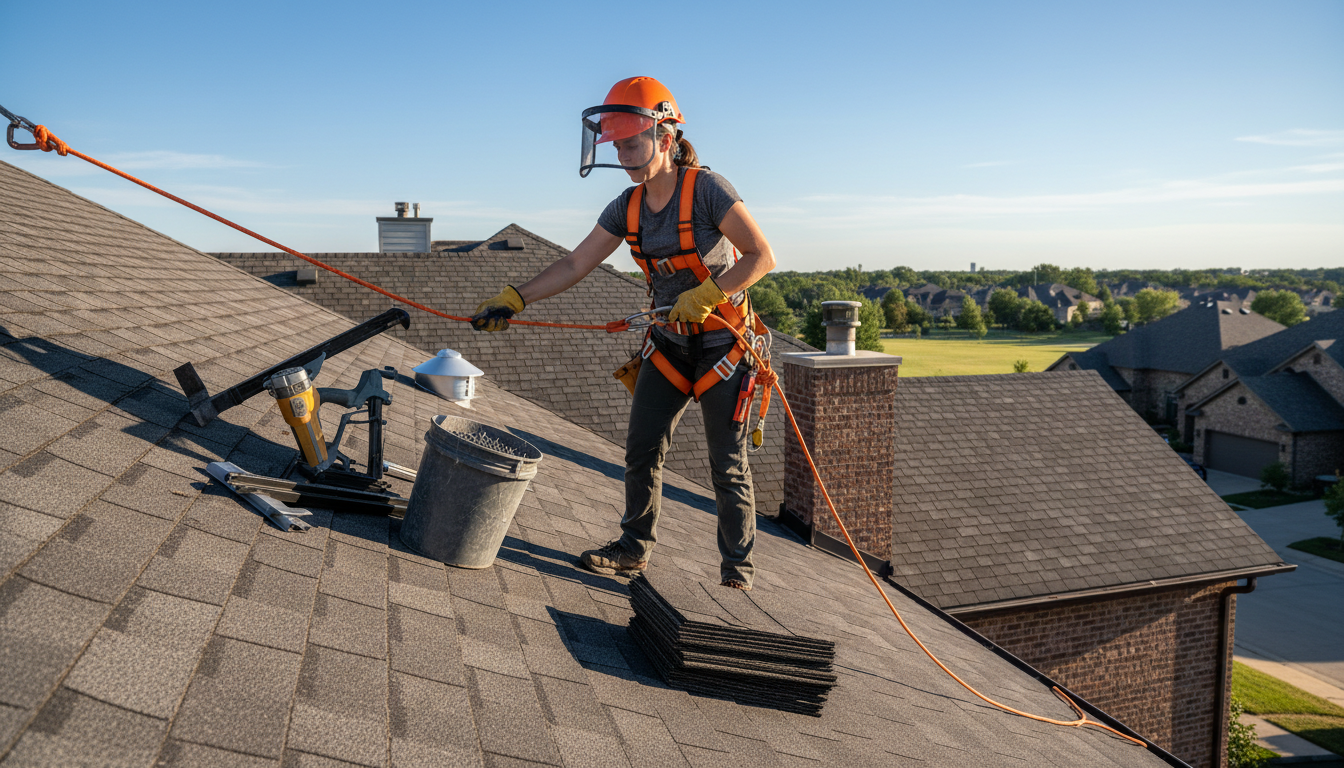
Before starting any repair job, ensure you have all the necessary tools and materials. Common tools include a ladder, hammer, roofing nails, sealant, and replacement shingles. Having everything on hand will save time and reduce the risk of accidents from climbing up and down your roof repeatedly.
Ensuring Safety First
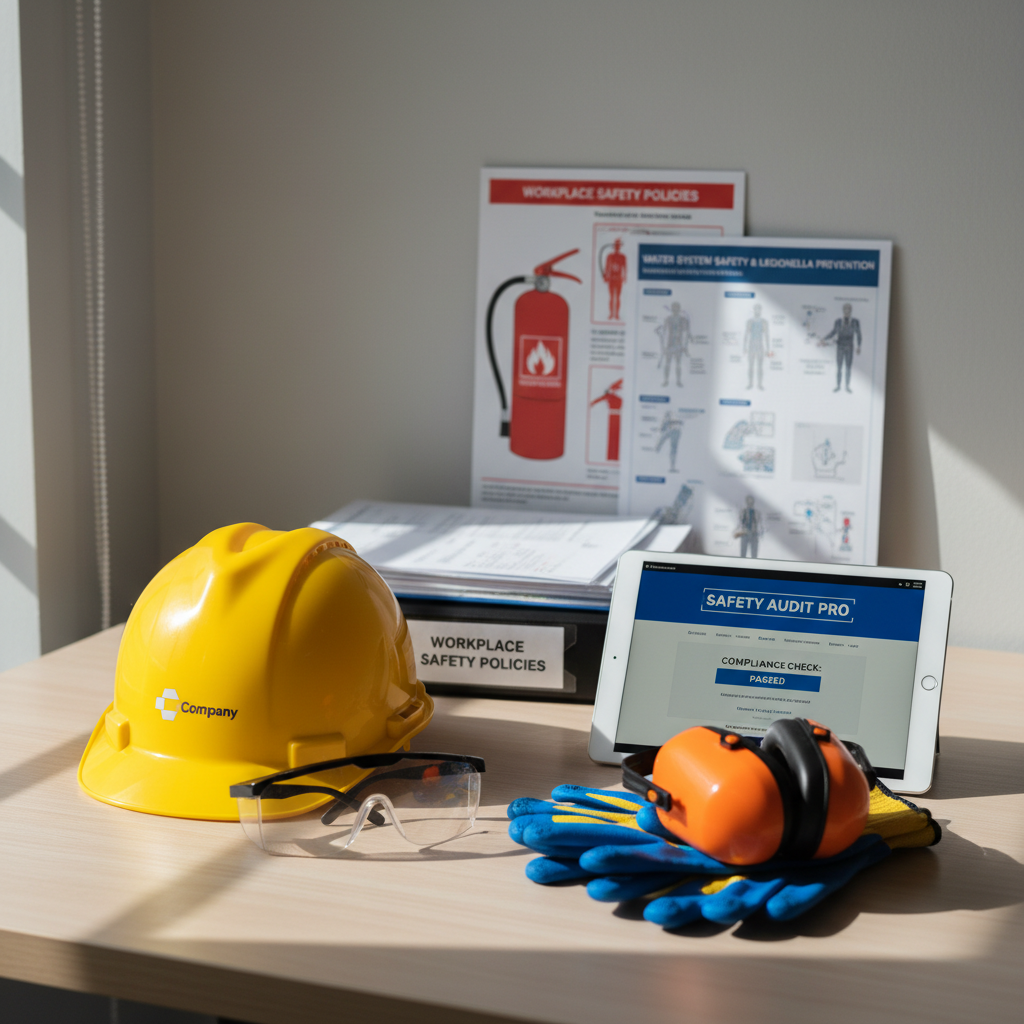
Safety should always be your top priority when working on a roof. Wear non-slip shoes and a safety harness if possible. It’s also wise to have a friend or family member nearby to assist or call for help if needed. Check the weather forecast before you begin, as working on a roof during rain or strong winds can be extremely dangerous.
Identifying Common Roof Problems
Start by identifying the specific issues with your roof. Look for signs like water stains on your ceiling, which indicate leaks, or visible damage such as cracked or missing shingles. Once you’ve pinpointed the problem areas, you can determine the best approach for repair.
Repairing Leaks and Replacing Shingles
For minor leaks, applying a roofing sealant can often resolve the issue. Clean the area around the leak thoroughly and apply the sealant generously. For missing or damaged shingles, carefully remove the old shingle and replace it with a new one, securing it with roofing nails.
Maintaining Your Roof for Longevity
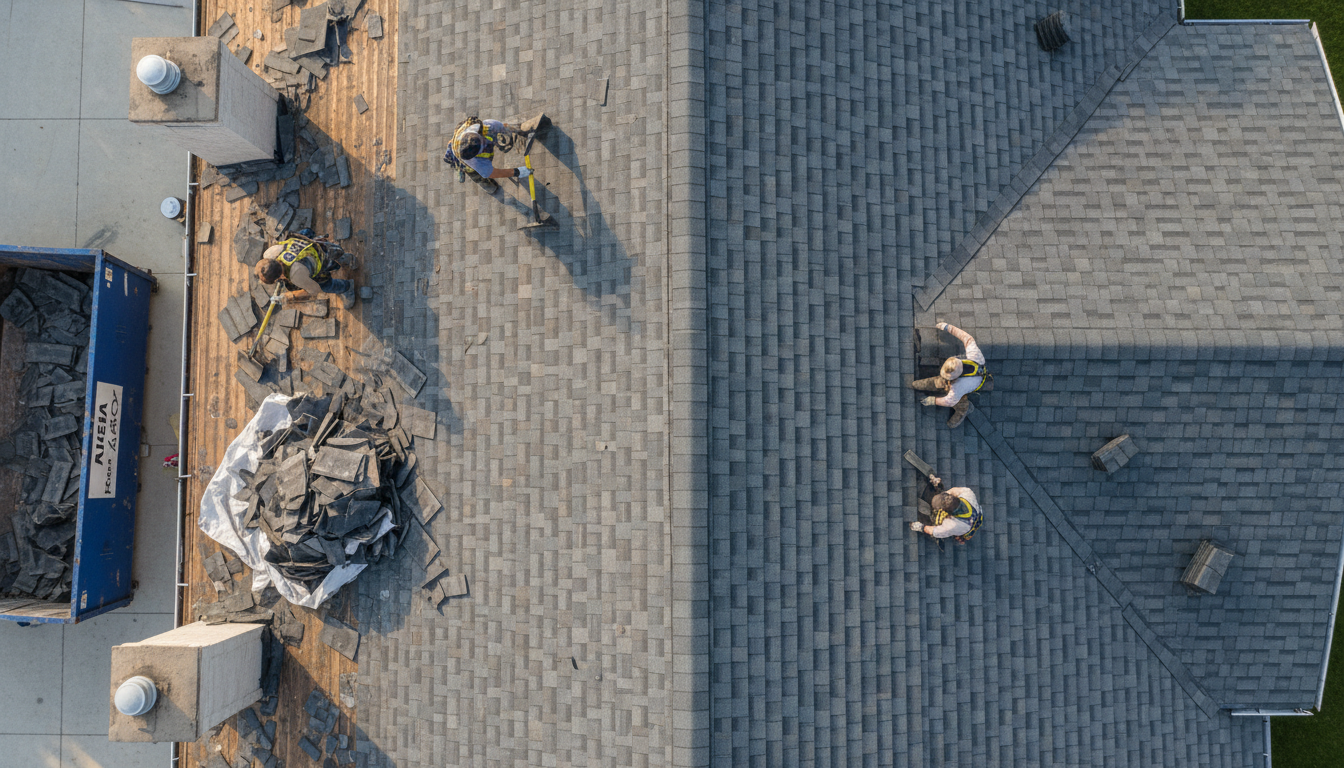
Regular maintenance can prevent major repairs in the future. Clear your roof of debris, check for any damage after storms, and inspect your attic for signs of leaks. Keeping gutters clean is also essential, as clogged gutters can lead to water damage and leaks.
When to Call a Professional
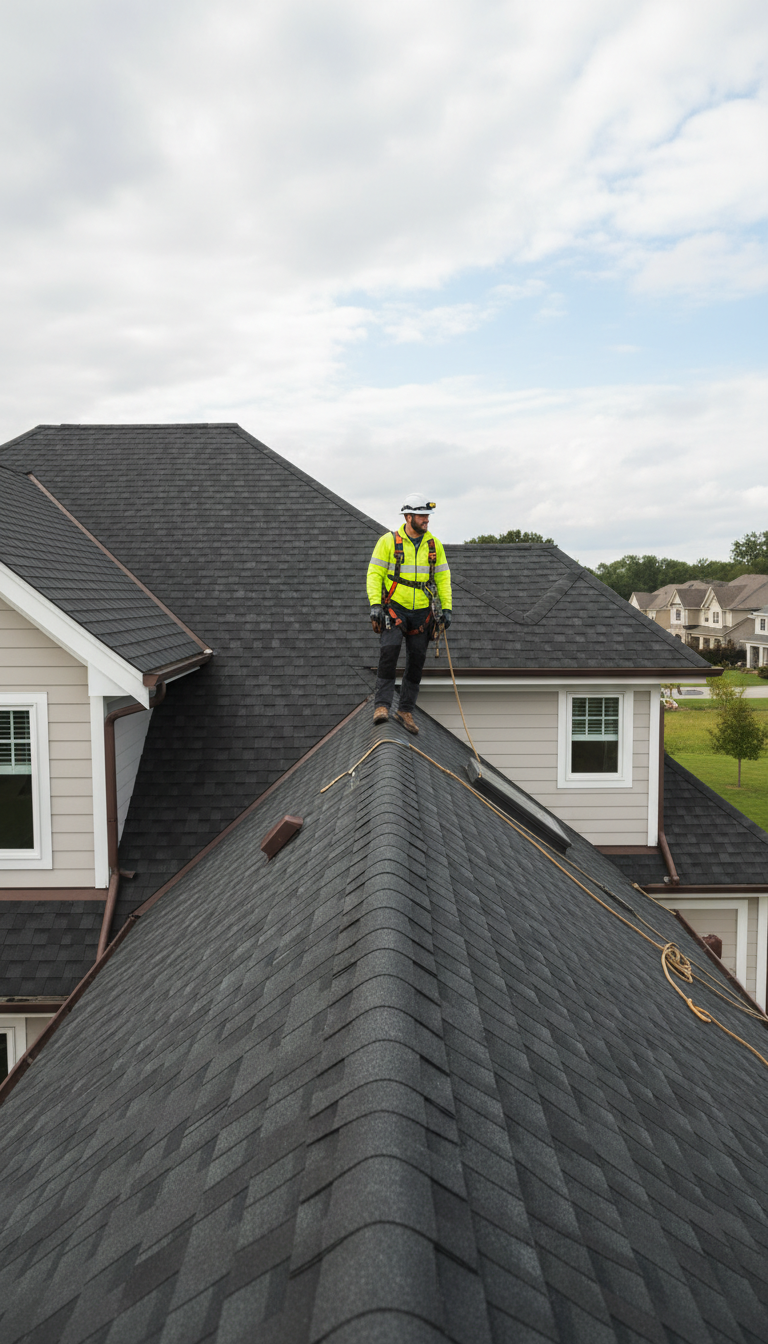
While many small repairs can be handled on your own, some situations require professional expertise. If you encounter extensive damage, structural issues, or if you’re uncomfortable with heights, it’s best to consult a professional roofer. They have the experience and equipment to handle complex repairs safely.
Conclusion
DIY roof repairs are a cost-effective way to maintain your home, but they require caution and preparation. By understanding the basics, ensuring safety, and knowing your limits, you can perform small roof repairs effectively. Remember, when in doubt, seeking professional help is always a wise decision.