How Often Should You Replace Your Roof? Expert Insights


Understanding Roof Lifespan
When it comes to maintaining your home, knowing how often to replace your roof is crucial. The lifespan of a roof depends on various factors such as material, weather conditions, and maintenance. Typically, roofs last between 20 to 50 years, but this can vary significantly based on the type of roofing material used.
Factors Affecting Roof Longevity
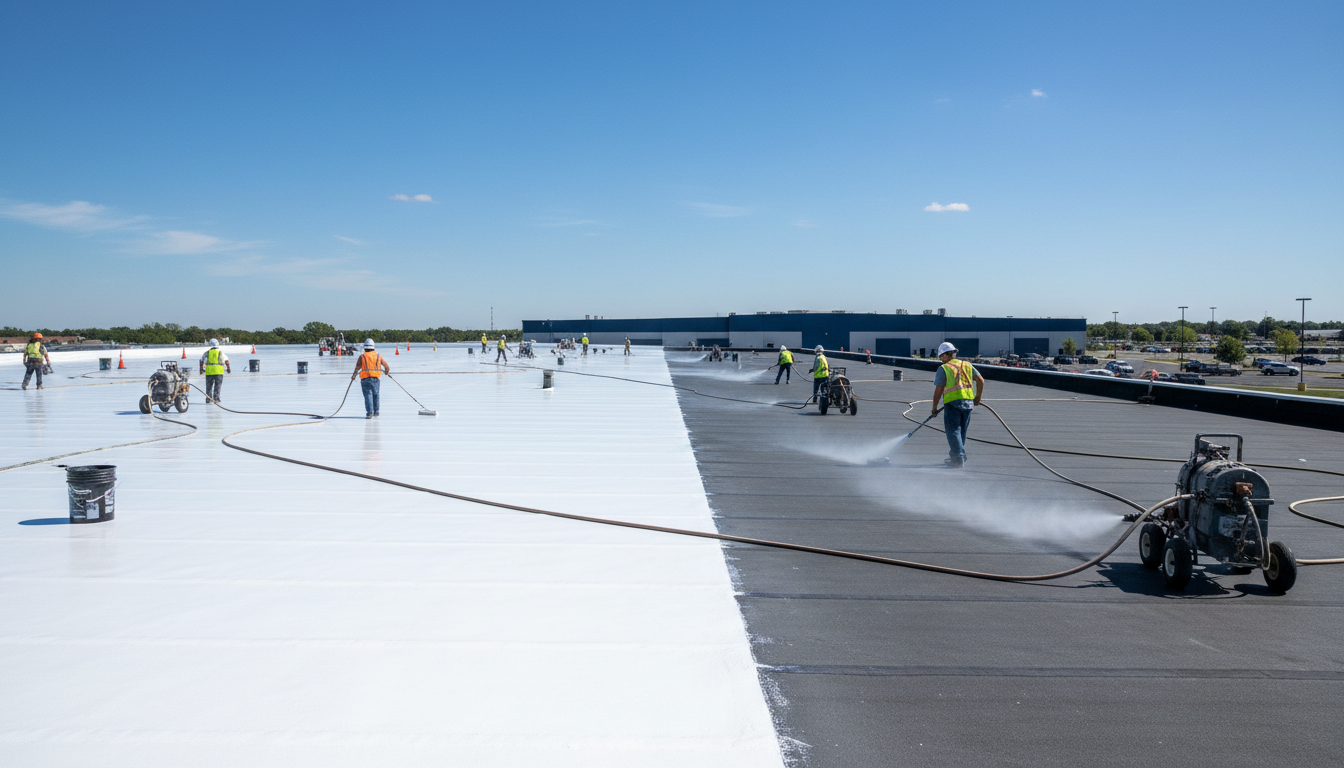
The lifespan of your roof is influenced by several key factors. One of the most important is the type of material. Asphalt shingles, for example, typically last about 20 years, while metal roofs can last up to 50 years or more. Climate also plays a significant role. Homes in regions with harsh weather conditions may experience faster roof degradation.
Proper maintenance is another critical factor. Regular inspections and prompt repairs can extend the life of your roof. Addressing small issues before they become major problems can prevent costly replacements.
Signs You Need a Roof Replacement
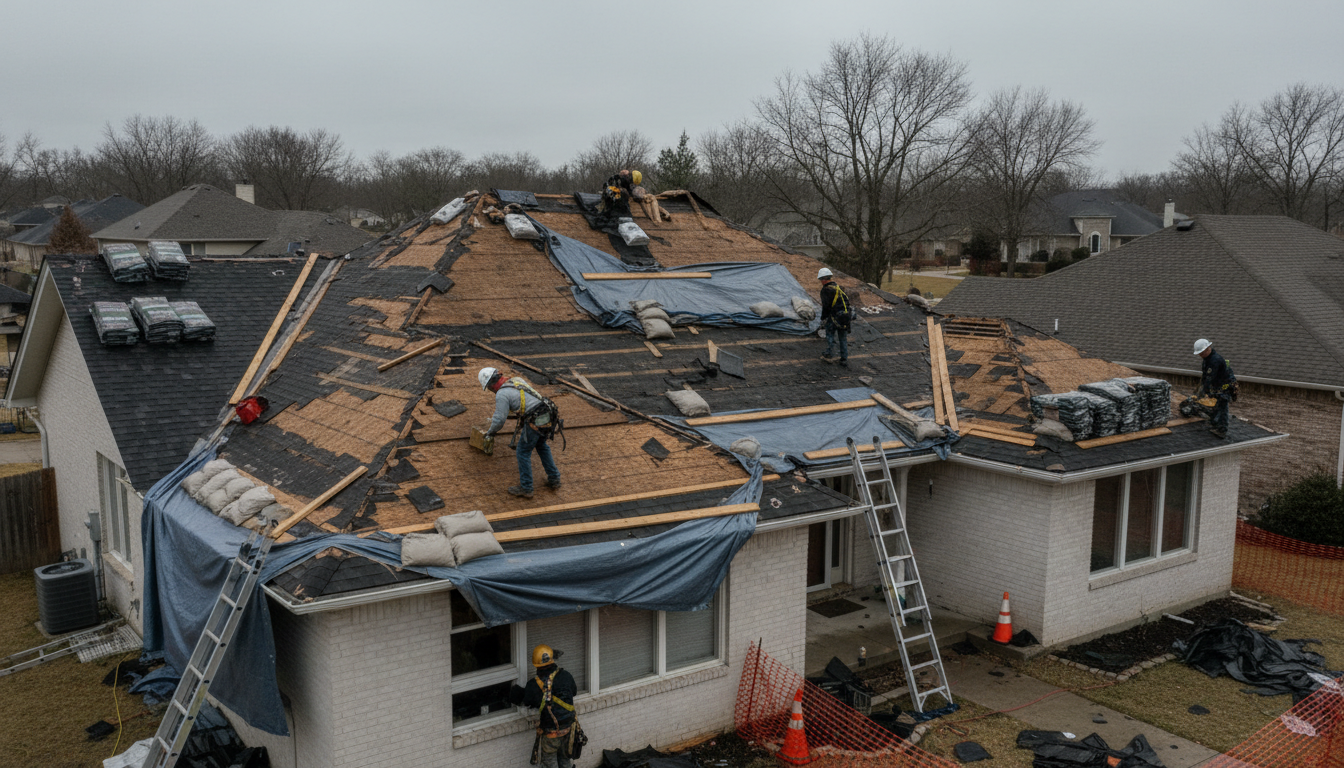
Recognizing the signs of a failing roof can save you from major headaches. Common indicators include missing or curling shingles, leaks, and visible light in the attic. If you notice any of these signs, it might be time to consider a roof replacement.
Professional Inspections
It's advisable to have a professional roofing contractor inspect your roof every few years. These experts can spot potential problems that may not be visible to the untrained eye. Regular inspections can help you plan for a replacement before significant damage occurs.
Professional assessments provide peace of mind and help ensure the safety and integrity of your home. They can also offer advice on the best materials and practices for your specific climate and needs.
Choosing the Right Roofing Material
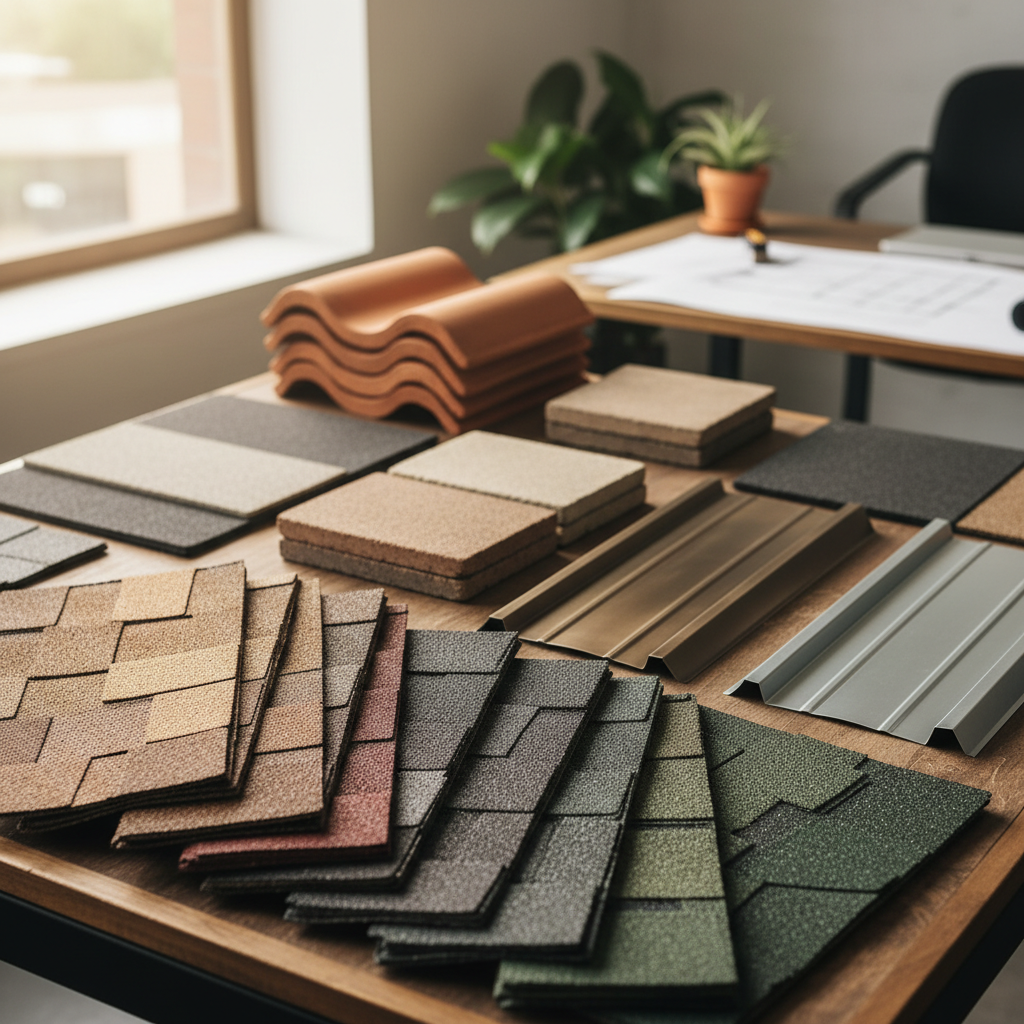
Selecting the right material for your new roof is crucial for longevity. Consider factors such as cost, durability, and aesthetic appeal. Popular options include asphalt shingles, metal, slate, and tiles, each with its own advantages and drawbacks.
Making an Informed Decision
When planning a roof replacement, consider consulting with a roofing expert to discuss your options. They can provide valuable insights into the best materials and techniques for your home, taking into account your budget and long-term goals.
Remember, investing in quality materials and professional installation can save you money in the long run by reducing the need for frequent repairs or replacements.