How Often Should You Really Replace Your Roof? A Comprehensive Guide


Understanding Roof Lifespan
Your roof is one of the most critical components of your home, providing protection against the elements. But how often should you really replace it? The answer depends on several factors, including the material, climate, and maintenance. Each roofing material has a different lifespan, making it crucial to know what type of roof you have.
Types of Roofing Materials
Different materials have different lifespans. Here’s a quick overview:
- Asphalt Shingles: Typically last 20-30 years.
- Metal Roofing: Can last 40-70 years, depending on the material.
- Clay Tiles: Often last over 50 years.
- Wood Shingles: Generally last 20-25 years.
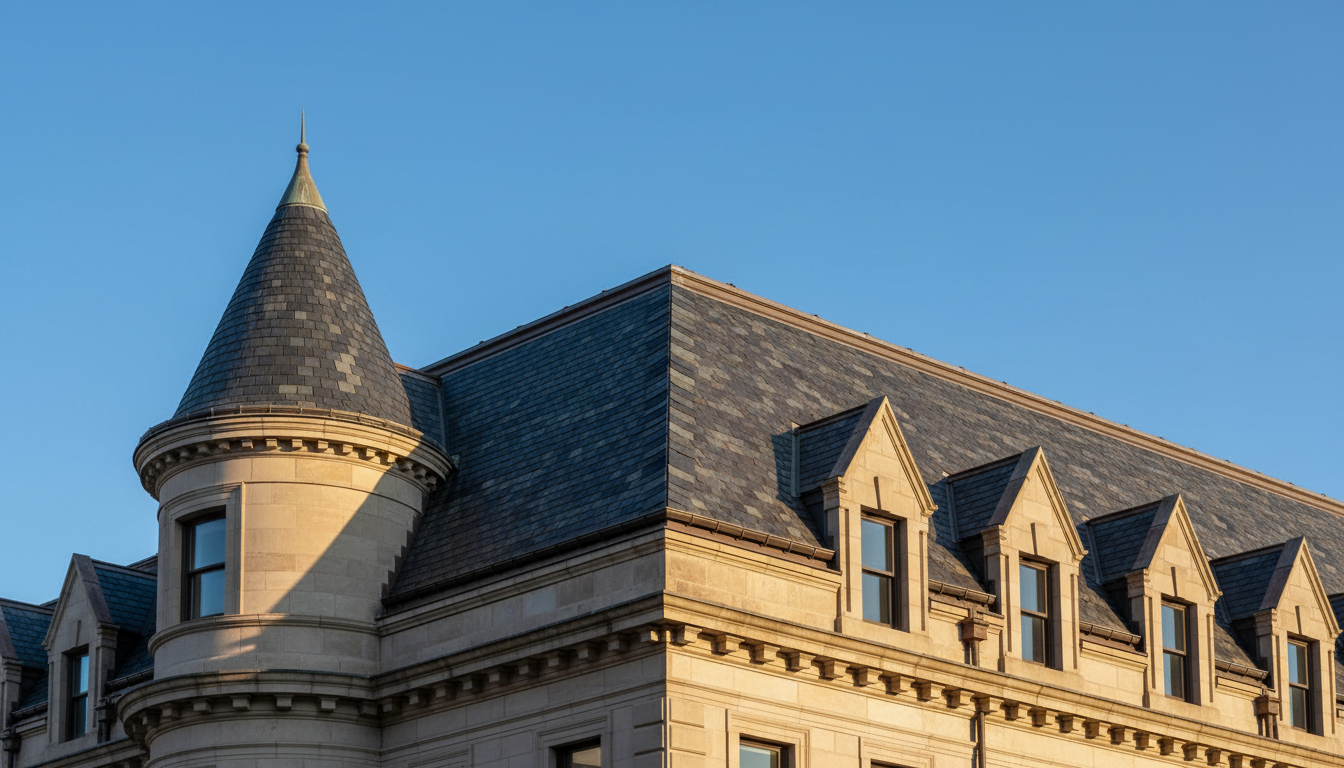
- Slate Tiles: Known to last over 100 years.
Climate Considerations
The climate where you live plays a significant role in your roof's longevity. Harsh weather conditions like heavy snow, high winds, or intense heat can shorten a roof’s life. For instance, asphalt shingles may deteriorate faster in hot climates, while metal roofs might last longer in areas prone to snow and ice.

Signs It's Time to Replace Your Roof
Even if your roof hasn’t reached its maximum lifespan, certain signs indicate it might be time for a replacement:
- Missing or Damaged Shingles: Check for missing, cracked, or curling shingles.
- Leaks: Water stains on your ceiling or walls can be a sign of a leaking roof.
- Moss and Algae Growth: While not always harmful, these can indicate trapped moisture.
Maintenance Can Extend Roof Life
Regular maintenance can significantly extend your roof's lifespan. This includes cleaning gutters, removing debris, and inspecting for damage. Catching small issues early can prevent them from becoming major problems.
Professional Inspections
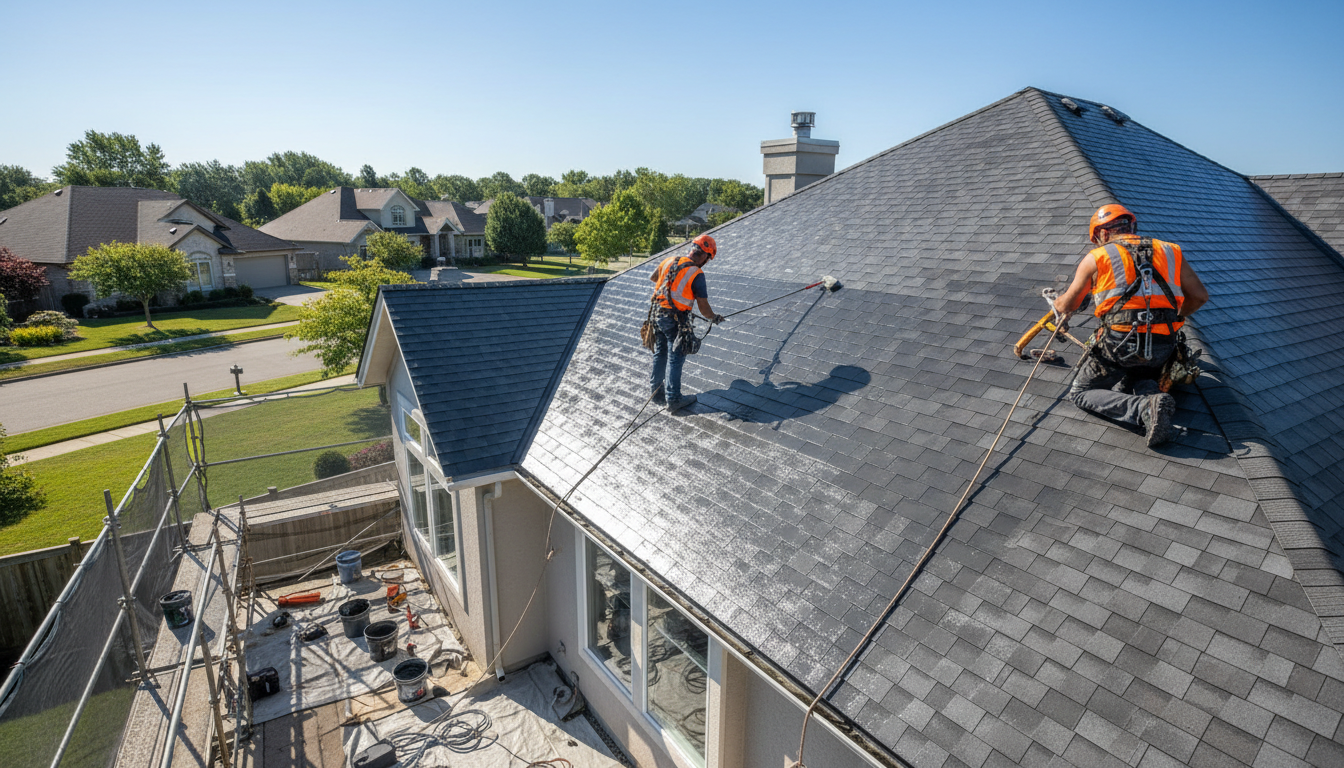
It’s advisable to have your roof professionally inspected every few years. A qualified roofer can identify potential issues that may not be visible from the ground, ensuring your roof remains in the best possible condition.
Budgeting for a New Roof
Replacing a roof is a significant investment. It’s wise to start budgeting early, especially if your roof is nearing the end of its lifespan. Consider factors such as material costs, labor, and potential upgrades like improved insulation or solar panels.

In conclusion, while there is no one-size-fits-all answer to how often you should replace your roof, understanding the factors involved can help you make a more informed decision. Regular maintenance, professional inspections, and timely repairs are your best allies in extending the life of your roof.