DIY Roof Inspection: What to Look for After a Storm


Introduction to DIY Roof Inspection
After a storm, your roof can suffer from various types of damage. Conducting a DIY roof inspection is a crucial step to ensure your home remains safe and secure. By following a few simple guidelines, you can identify potential issues before they escalate into costly repairs.
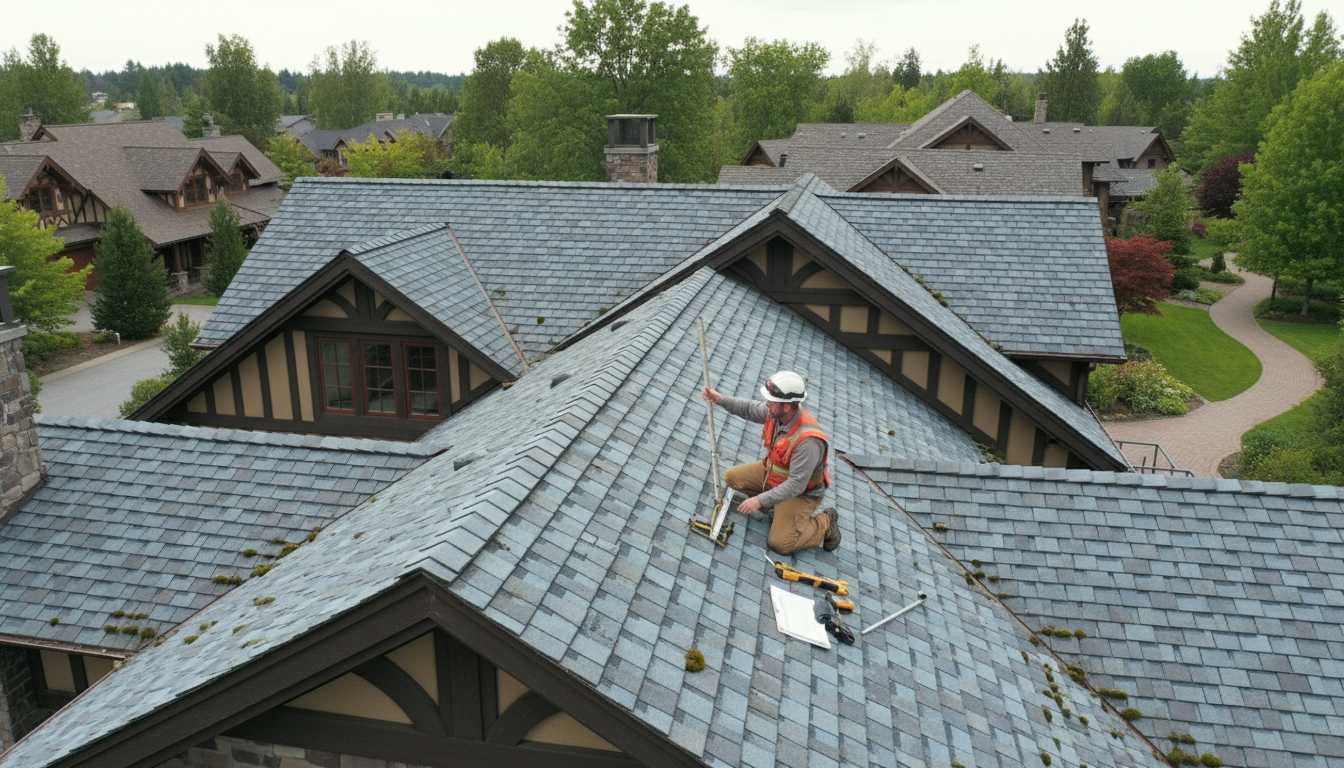
Initial Safety Precautions
Before you begin your roof inspection, ensure your safety by waiting for the storm to completely pass. Use a sturdy ladder and consider having someone assist you. Wear non-slip shoes and avoid inspecting the roof when it is wet or slippery.
Tools You Will Need
Gather essential tools such as binoculars for a closer look, a flashlight for attic inspection, and a notebook to jot down any issues you observe. These tools will help make your inspection thorough and efficient.
Exterior Roof Inspection
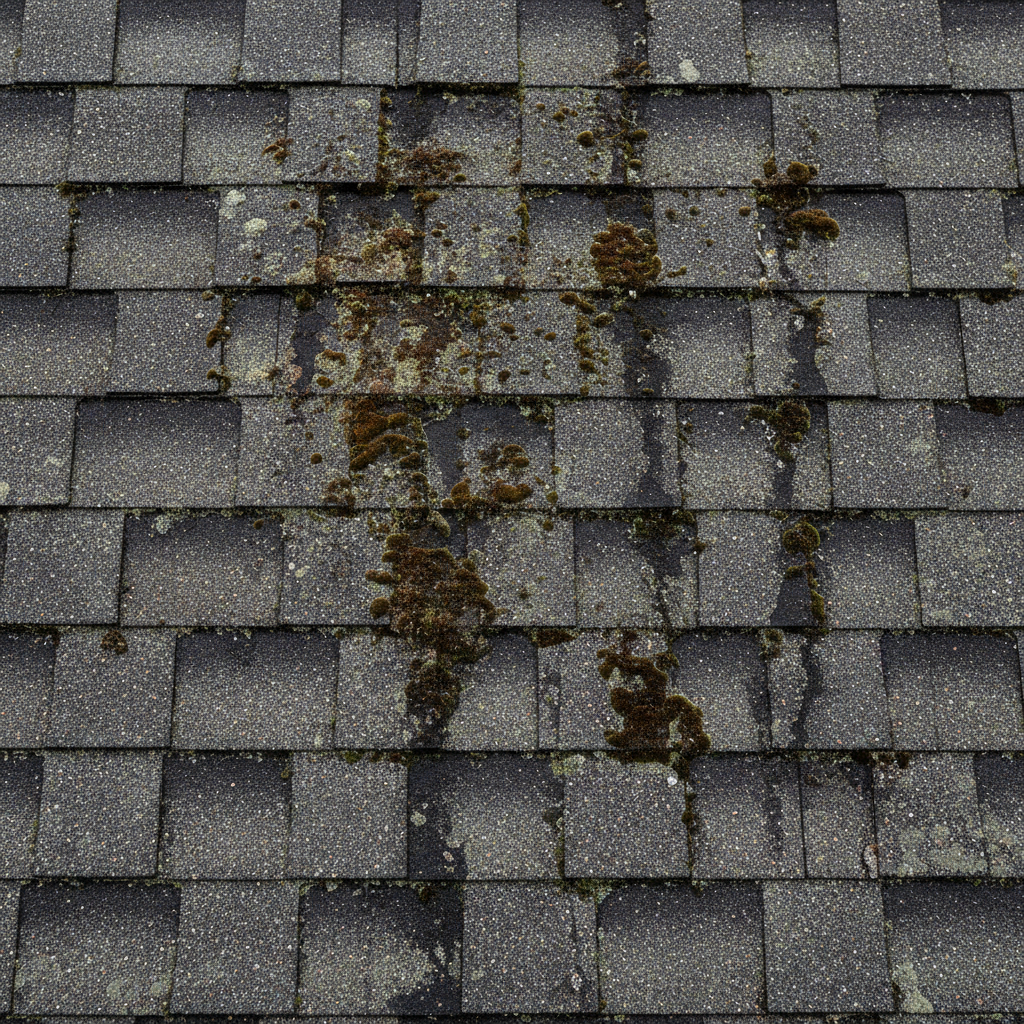
Start your inspection from the ground using binoculars. Look for visible signs of damage such as missing or curled shingles, which can indicate wind damage. Also, check for any debris or branches that may have landed on your roof.
Inspecting the Gutters
Examine your gutters for blockages and debris. Clogged gutters can lead to water overflow and damage the roof’s structure. Ensure that downspouts are securely attached and directing water away from the foundation.
Interior Roof Inspection
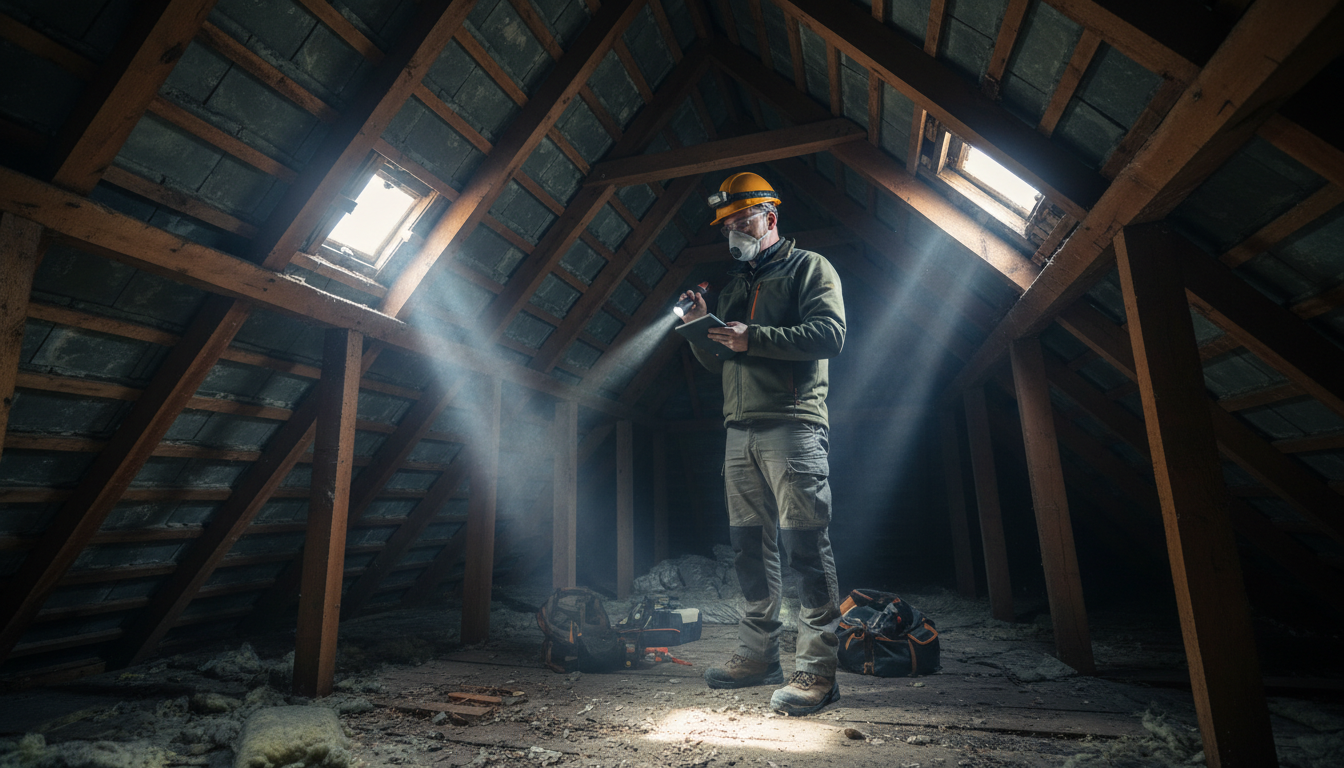
Inspect your attic for leaks or water stains on the ceiling, which can be a sign of roof damage. Use a flashlight to check for any signs of mold or mildew, as these may indicate moisture problems.
Look for Structural Damage
Check the attic’s structure for any sagging or cracks. These issues can compromise the integrity of the roof and should be addressed promptly. Look for daylight peeking through the roof boards, as this can also signal damage.
Common Signs of Storm Damage
Be on the lookout for common storm damage signs, including:
- Hail damage: Look for dents or bruises on shingles.
- Wind damage: Identify loose or missing shingles.
- Water damage: Check for leaks and water stains.
When to Call a Professional
While a DIY inspection can reveal many issues, some problems require professional expertise. If you find significant damage or are unsure of the extent of the damage, it’s best to contact a professional roofing contractor for a comprehensive assessment.
Conclusion
Regularly inspecting your roof after storms is essential for maintaining the safety and value of your home. By following these steps, you can catch potential problems early and ensure that your roof remains in good condition. Remember, when in doubt, consulting with a professional can save you time and money in the long run.