Debunking Common Roofing Myths: What Homeowners Need to Know


Understanding Roofing Materials
One of the most common myths about roofing is that all materials are created equal. In reality, different roofing materials come with varying levels of durability, cost, and aesthetic appeal. Homeowners should carefully consider their options, including asphalt shingles, metal, tile, and slate, before making a decision.
The Myth of Maintenance-Free Roofing
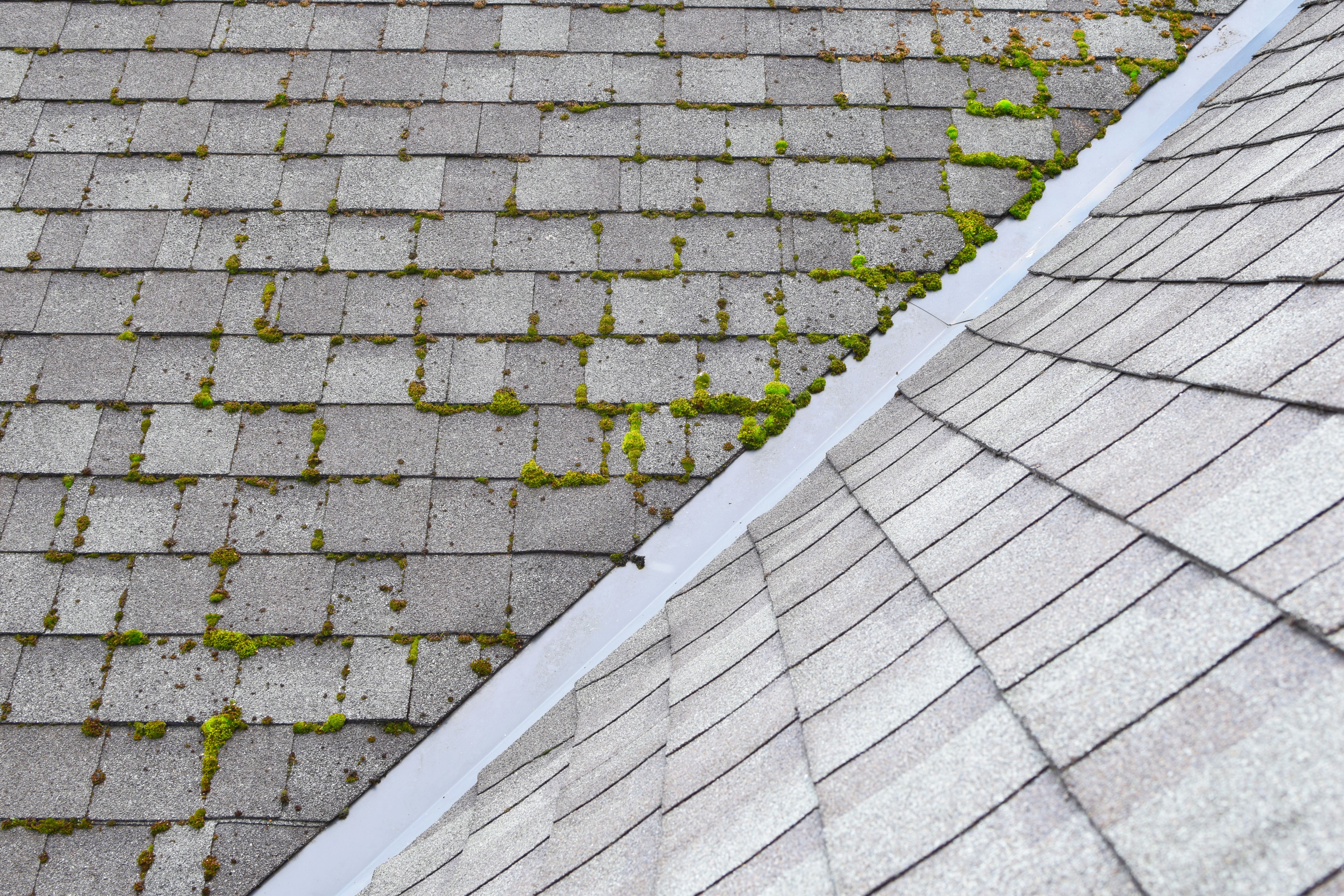
Another widespread misconception is that once a roof is installed, it requires no further maintenance. While some materials are more low-maintenance than others, all roofs benefit from regular inspections and minor repairs. Routine maintenance can extend the life of a roof and prevent costly damage in the future.
The Lifespan of a Roof
Many believe that a roof should last a lifetime. While some materials, like slate, can last over a century, more common options like asphalt shingles typically last 20-30 years. Factors such as climate, installation quality, and maintenance can all affect a roof's longevity.
Roof Replacement and Resale Value
Some homeowners think that replacing a roof won't significantly impact their home's resale value. This is a myth. A new roof can enhance curb appeal and reassure potential buyers. In many cases, it can provide a return on investment when selling the home.
Weather Resistance Myths
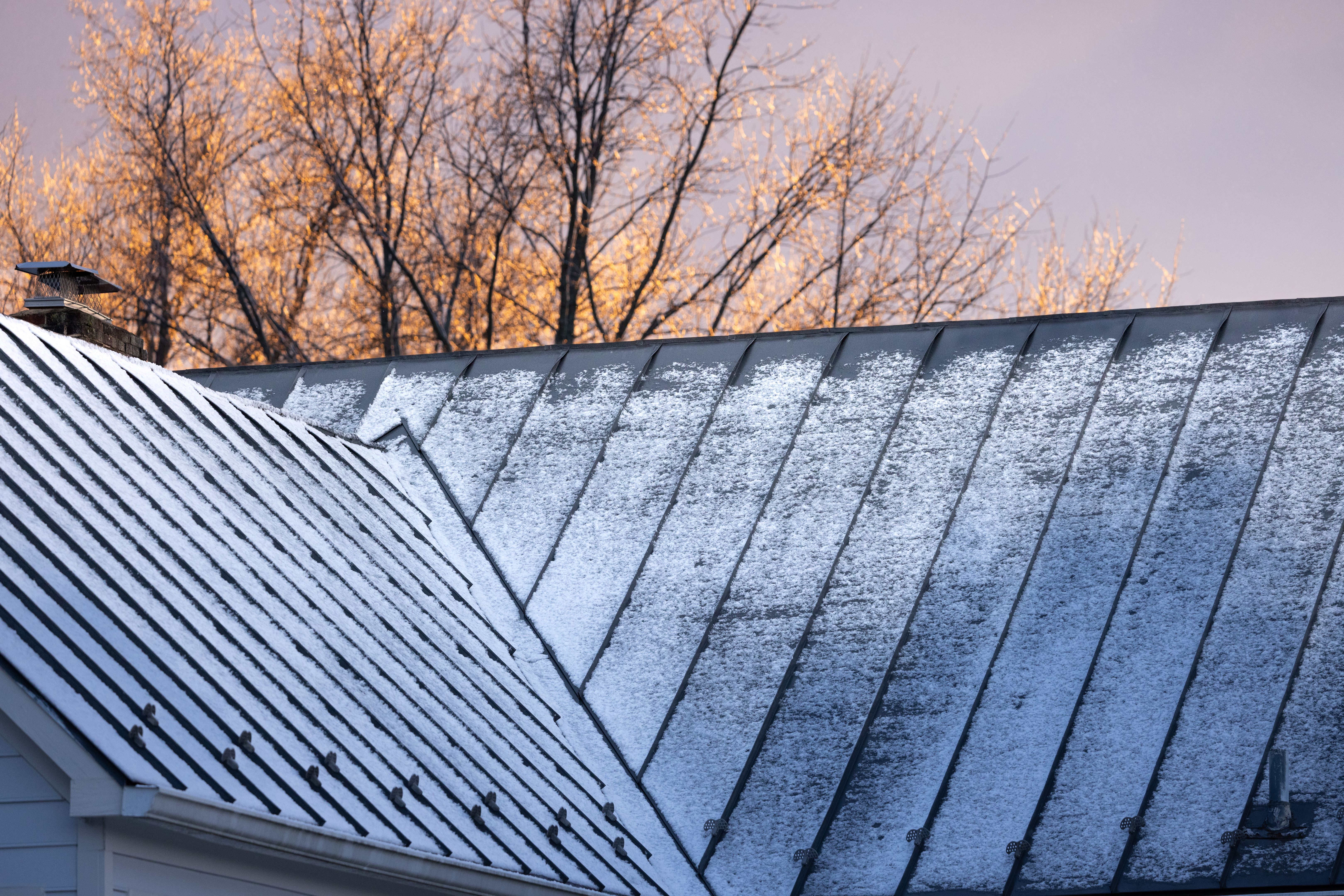
It's a common belief that all roofs offer the same level of protection against weather elements. However, different materials and designs offer varying degrees of resistance to wind, rain, and hail. For example, metal roofing is known for its excellent wind resistance, while other materials may require additional reinforcements in storm-prone areas.
DIY Roofing: A Dangerous Myth
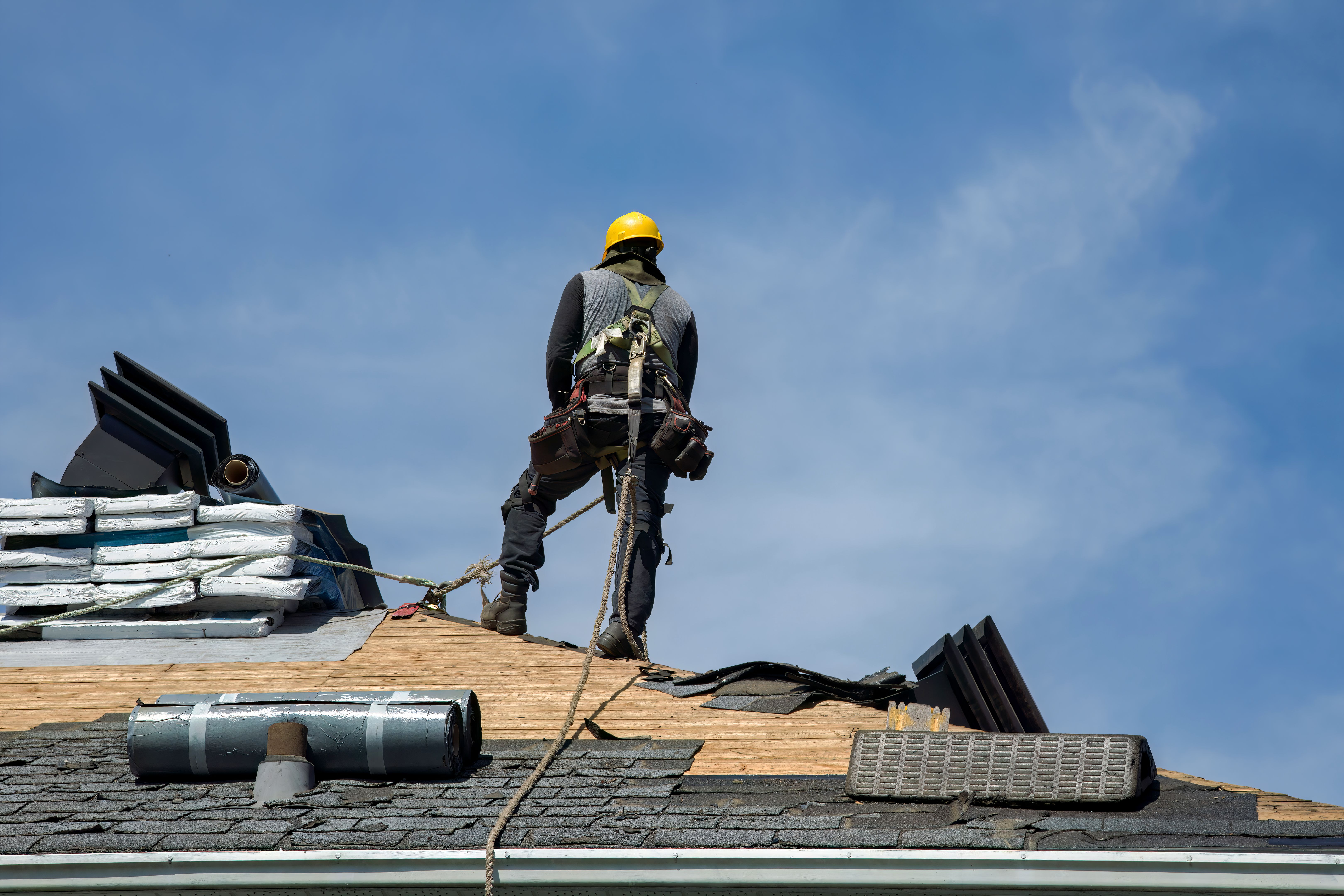
Many adventurous homeowners consider DIY roofing projects to save money. This is a risky choice. Roofing requires specialized skills and equipment. Incorrect installation can lead to leaks and structural damage. Hiring a professional ensures safety and quality results.
Color and Energy Efficiency
A common myth is that roof color doesn’t impact energy efficiency. In truth, the color of your roof can affect your home's temperature. Light-colored roofs reflect more sunlight, reducing cooling costs in warmer climates, while dark roofs can help retain heat in cooler areas.

Insurance and Roofing
Some homeowners mistakenly believe that their insurance will cover all roof-related issues. While insurance can help with damage from specific events like storms, it typically doesn’t cover wear and tear or lack of maintenance. Understanding your policy details is crucial.
Conclusion: Making Informed Decisions
Debunking these common roofing myths can empower homeowners to make informed decisions about their roofing needs. By understanding the realities of roofing materials, maintenance, and installation, you can ensure your roof remains a strong, protective element of your home for years to come.